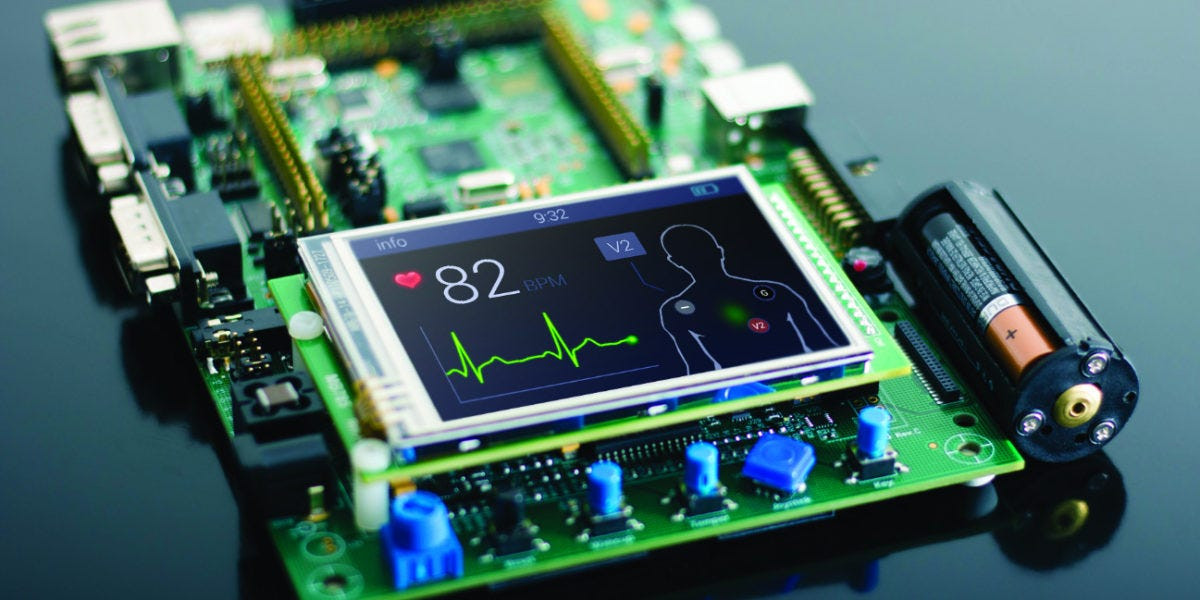
This beginner-friendly course introduces you to the fundamentals of embedded systems and their programming. Whether you're an electronics enthusiast, engineering student, or a developer stepping into the embedded domain, this course lays a solid foundation in understanding microcontrollers, real-time programming, and hardware-software interaction.
You will learn how embedded systems work, how to write efficient C code for microcontrollers, and how to interface sensors, actuators, and communication protocols. Through hands-on exercises, you’ll gain practical experience with tools like the Arduino or ESP32 platforms and understand real-world applications in automation, IoT, and consumer electronics.
What You’ll Learn:
-
Core concepts of embedded systems and architecture
-
C programming essentials for microcontrollers
-
GPIO, timers, interrupts, and memory management
-
Basics of real-time systems and task scheduling
-
Sensor interfacing and peripheral communication (UART, I2C, SPI)
-
Debugging and testing techniques
Prerequisites:
Basic knowledge of C programming and electronics is recommended but not mandatory.
- Teacher: Circuit Makers Laboratory